Reading a Check Engine Light: What the Code Actually Tells You
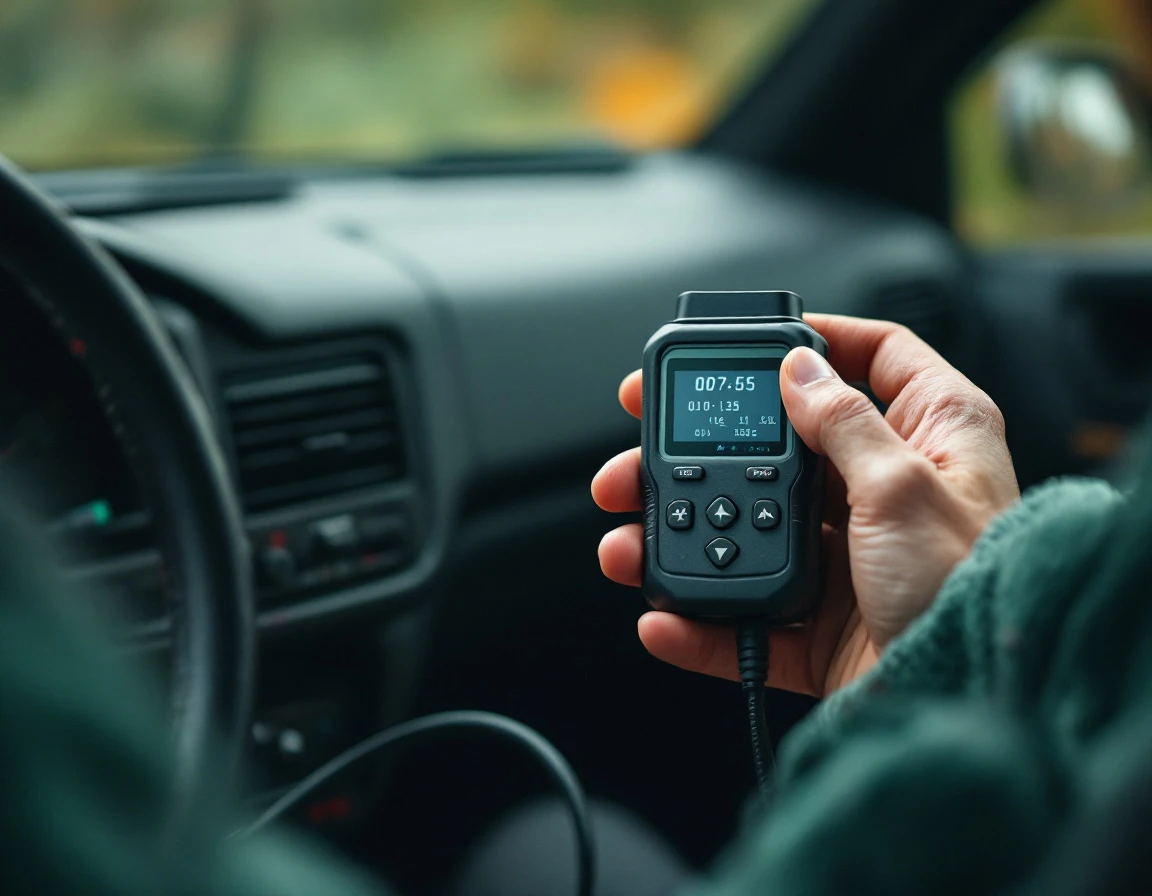
A check engine light means a sensor noticed something outside its expected range. It does not mean "replace the part named in the code." That one misunderstanding is responsible for more wasted repair money than almost anything else in car ownership.
What the code actually means. Every code is a letter and four numbers — P0171, for example. The P means powertrain. The number tells you which system flagged a problem, not which part failed. P0171 means "system too lean on bank 1," which can mean a vacuum leak, a dirty mass airflow sensor, a weak fuel pump, or a handful of other causes. The code points you at a system, not a shopping list.
Pending vs. confirmed. A reader will often show a code as "pending" before it's "confirmed." Pending means it happened once and the car is watching to see if it happens again. Confirmed (and the light staying solid) means it's repeated enough to be a real pattern, not a one-off blip.
Urgent vs. not urgent
- A flashing check engine light means an active misfire that can damage your catalytic converter in minutes. Stop driving and get it looked at.
- A steady light means something needs attention soon, but it's generally safe to drive carefully to get it checked.
- If the light comes with another warning light (oil pressure, temperature), treat it as urgent regardless of which code shows.
The expensive mistake. The most common version: a code points at an oxygen sensor, someone replaces the oxygen sensor, and the light comes back in a week because the real cause was a vacuum leak or a cracked hose that was never checked. Reading the code is step one. Confirming the actual cause — with a smoke test, a visual inspection, or live sensor data — is the step that actually fixes it.
Where someone experienced earns their keep. A reader gives you a code in a minute. Someone who's chased that exact code before can tell you, often from the code alone plus a couple of questions about when it happens, whether you're looking at a $15 part or a $500 one — before you buy anything.
Want someone who knows standing next to you?
Get a code read alongside you →The Field Guide is written by AlongSide.Guide. AlongSide connects you with Guides who get paid to work alongside you, and some links on this page go to it.