Doing Your Own Brake Pads: What the Job Actually Takes
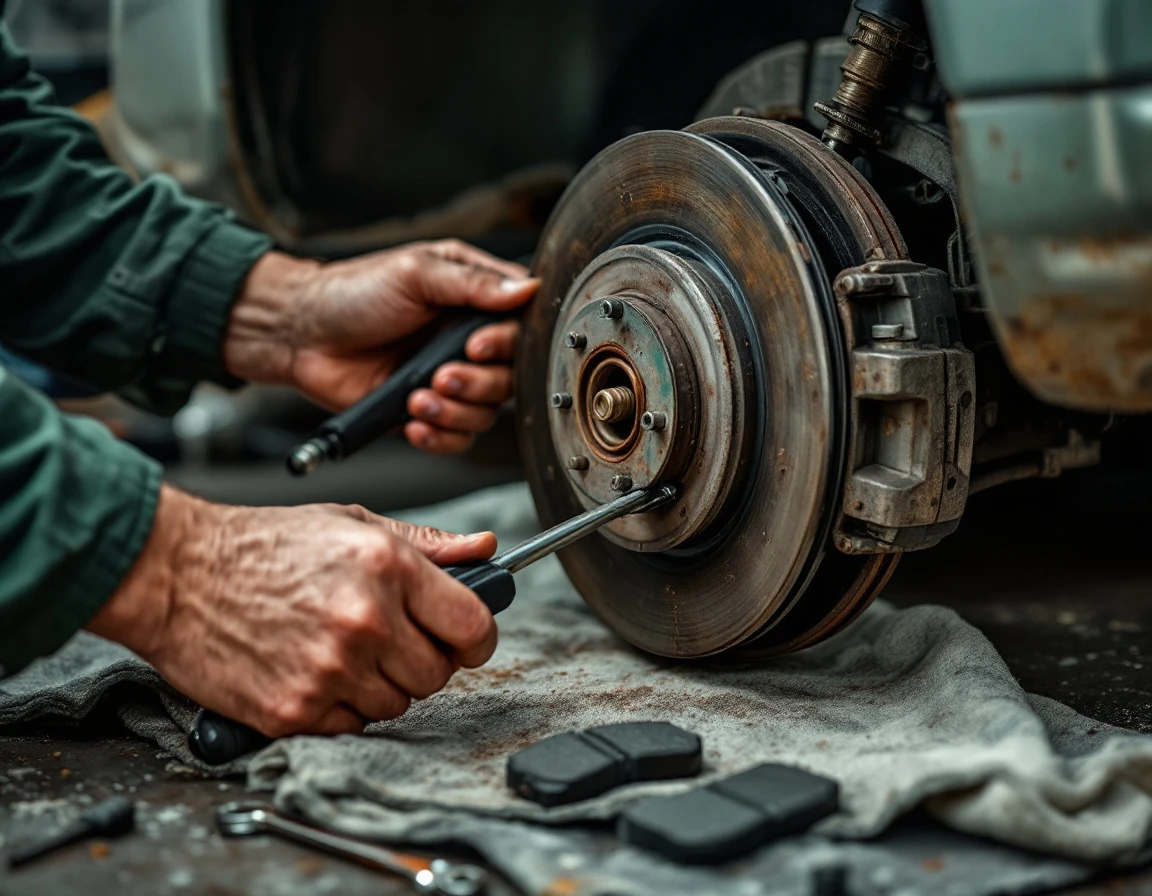
Brake pads are one of the most forgiving first repairs there is. The parts are cheap, the job is well documented, and almost every mistake is loud before it's dangerous. That's also why it's a good first job to do with someone experienced the first time — so you know what "loud before it's dangerous" actually sounds like.
What you actually need. A jack and jack stands (never work under a car on a jack alone), a torque wrench, a C-clamp or caliper tool to compress the piston, and the correct pads and, if needed, rotors for your exact vehicle. Don't guess the pad compound from the box photo — look up the spec for your trim.
The steps that matter most
- Compress the caliper piston slowly, with the cap off the brake fluid reservoir so you don't blow fluid back through the lines.
- Torque the caliper bolts and wheel lugs to the spec in your manual, not "snug." Under-torqued bolts work loose, and over-torqued ones can warp a rotor or snap a bolt.
- Pump the brake pedal several times before you drive, until it feels firm. A soft pedal means the piston hasn't seated yet.
- Bed in new pads with a series of moderate stops from speed, not full panic stops. Skipping this is the single biggest reason new pads squeal.
Where first-timers get it wrong
- Reusing old, rusted hardware (the little clips and shims) instead of replacing it. This is the most common cause of squeaking after a fresh brake job.
- Not checking rotor thickness against the minimum spec stamped on the rotor itself. A worn rotor with new pads still won't stop you properly.
- Letting the caliper hang by the brake line instead of supporting it, which can stress or crack the line.
- Mixing pad types front to back, which changes how the car brakes under hard stops.
Where someone experienced earns their keep. The swap itself is mechanical. Judging whether your rotors need resurfacing or replacing, reading whether that noise is normal bedding-in or a real problem, and confirming the caliper is sliding freely — that's the part a second set of eyes catches before it becomes a second trip to the parts store.
Want someone who knows standing next to you?
Find a driveway mechanic near you →The Field Guide is written by AlongSide.Guide. AlongSide connects you with Guides who get paid to work alongside you, and some links on this page go to it.