Buying a Used Reef Tank: What to Check Before You Hand Over Cash
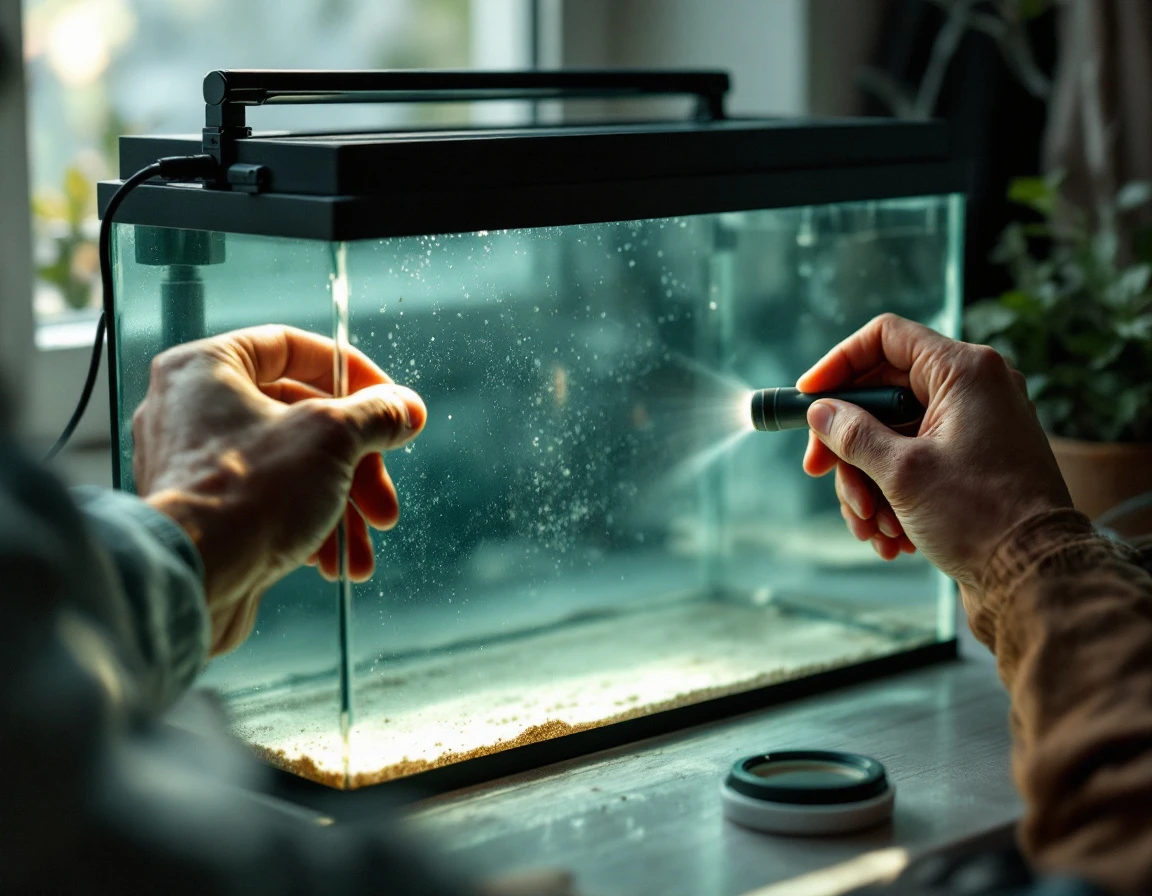
Before buying a used reef tank, check silicone seams for peeling or bubbles, confirm it's full and running (a drained tank can't show a leak), and ask how long it's run and why it's for sale. Pests hitchhike on rock, so inspect what's living in it as closely as the tank itself.
A used setup can save you half the cost of new. It can also hand you someone else's leak, pest outbreak, and failing equipment.
Inspect the tank itself
- Silicone seams: look for peeling, gaps, or bubbles along the inside edges. Scratched glass is cosmetic, but bad seams are not.
- Ask to see it full and running. A tank that's already drained can't show you a leak.
- Check the stand for water damage, swelling, or rot, especially at the base.
Inspect what's living in it
- Pests hitchhike on rock: aiptasia (small brown anemones), flatworms, bristleworm overload, nuisance algae. Some are manageable, and some take months to clear.
- Ask how long the tank has been running and why they're selling. "Moving" is fine, while "it keeps crashing" tells you a lot.
Inspect the equipment
- Ask the age of pumps, heaters, and lights. Heaters are cheap to replace and expensive when they fail.
- Confirm the sump volume and plumbing actually fit your space.
The move is its own job
Moving livestock, rock, and sand without crashing the tank takes planning, including containers, keeping bacteria alive, and re-establishing flow fast. This is the part most people underestimate.
Checklist
Buying a Used Reef Tank: What to Check Before You Hand Over Cash
0 of 14 done
Before you go
At the tank
Moving day
Want someone who knows standing next to you?
Book a reefer for the inspection →The Field Guide is written by AlongSide.Guide. AlongSide connects you with Guides who get paid to work alongside you, and some links on this page go to it.
Questions people ask
Your three options
Guides who do this
No Guides for this yet. Know this job? Be the first, and your Offer shows up right here.
Know this job? Become a Guide.
Become a Guide →Related Ideas
More in Reef Tanks
This guide was written by AI and hasn't been reviewed by a person yet. Know this subject? Sign up free as a Guide, add your credentials, and submit a review. Every review is checked by our team. If it's approved, your name and credentials go on this guide as its reviewer, linked to your Offers.
Sign up free as a Guide →