Reading a Check Engine Light: What the Code Actually Tells You
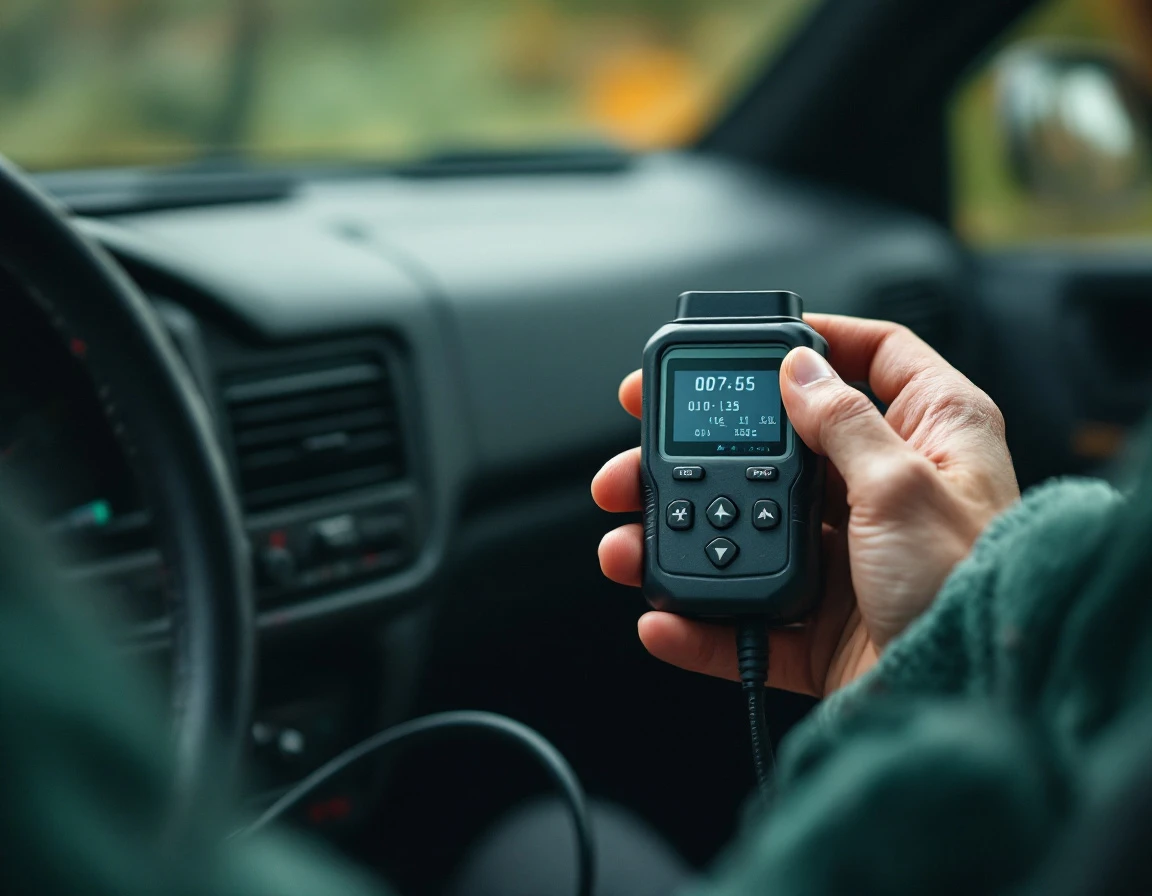
A check engine code points at a system, not a part to replace — P0171 ("system too lean") could mean a vacuum leak, a dirty sensor, or a weak fuel pump. Read it yourself with a $20 reader, but confirm the real cause before buying parts; guessing wrong is the most expensive mistake in car ownership.
A check engine light means a sensor noticed something outside its expected range. It does not mean "replace the part named in the code." That one misunderstanding is responsible for more wasted repair money than almost anything else in car ownership.
What the code actually means
Every code is a letter and four numbers — P0171, for example. The P means powertrain. The number tells you which system flagged a problem, not which part failed. P0171 means "system too lean on bank 1," which can mean a vacuum leak, a dirty mass airflow sensor, a weak fuel pump, or a handful of other causes. The code points you at a system, not a shopping list.
Pending vs. confirmed
A reader will often show a code as "pending" before it's "confirmed." Pending means it happened once and the car is watching to see if it happens again. Confirmed (and the light staying solid) means it's repeated enough to be a real pattern, not a one-off blip.
Urgent vs. not urgent
- A flashing check engine light means an active misfire that can damage your catalytic converter in minutes. Stop driving and get it looked at.
- A steady light means something needs attention soon, but it's generally safe to drive carefully to get it checked.
- If the light comes with another warning light (oil pressure, temperature), treat it as urgent regardless of which code shows.
The expensive mistake
The most common version: a code points at an oxygen sensor, someone replaces the oxygen sensor, and the light comes back in a week because the real cause was a vacuum leak or a cracked hose that was never checked. Reading the code is step one. Confirming the actual cause — with a smoke test, a visual inspection, or live sensor data — is the step that actually fixes it.
Where someone experienced earns their keep
A reader gives you a code in a minute. Someone who's chased that exact code before can tell you, often from the code alone plus a couple of questions about when it happens, whether you're looking at a $15 part or a $500 one — before you buy anything.
Checklist
Reading a Check Engine Light: What the Code Actually Tells You
0 of 12 done
Before you plug in
Reading the code
Before you buy parts
Want someone who knows standing next to you?
Get a code read alongside you →The Field Guide is written by AlongSide.Guide. AlongSide connects you with Guides who get paid to work alongside you, and some links on this page go to it.
Read and Fix Your Check Engine Light
14 chapters, about 28 pages: every step, setting and caution, with diagrams, checklists to print and sources for every fact. The Field Guide above is the quick version; this is how to actually do it.
- 1The job, start to finishFREE
- 2Steady or flashing: is it safe to drive?LOCKED
- 3Rules, inspection and warrantyLOCKED
- 4Kit listLOCKED
- 5Prep before you plug inLOCKED
- 6Reading the codesLOCKED
- 7The DIY diagnoses and fixesLOCKED
- 8On the road: confirming the faultLOCKED
- 9Cautions and what can go wrongLOCKED
- 10Checking the fixLOCKED
- 11Getting ready for inspectionLOCKED
- 12TroubleshootingLOCKED
- 13Printable checklistsLOCKED
- 14GlossaryLOCKED
- SourcesLOCKED
Instant access to every chapter and the PDF. Not what the Course page described? Email within 7 days for a full refund.
Questions people ask
Your three options
Guides who do this
No Guides for this yet. Know this job? Be the first, and your Offer shows up right here.
Know this job? Become a Guide.
Become a Guide →Related Ideas
More in Auto Repair
This guide was written by AI and hasn't been reviewed by a person yet. Know this subject? Sign up free as a Guide, add your credentials, and submit a review. Every review is checked by our team. If it's approved, your name and credentials go on this guide as its reviewer, linked to your Offers.
Sign up free as a Guide →