Pressure Canning for the First Time: What the Recipe Doesn't Tell You
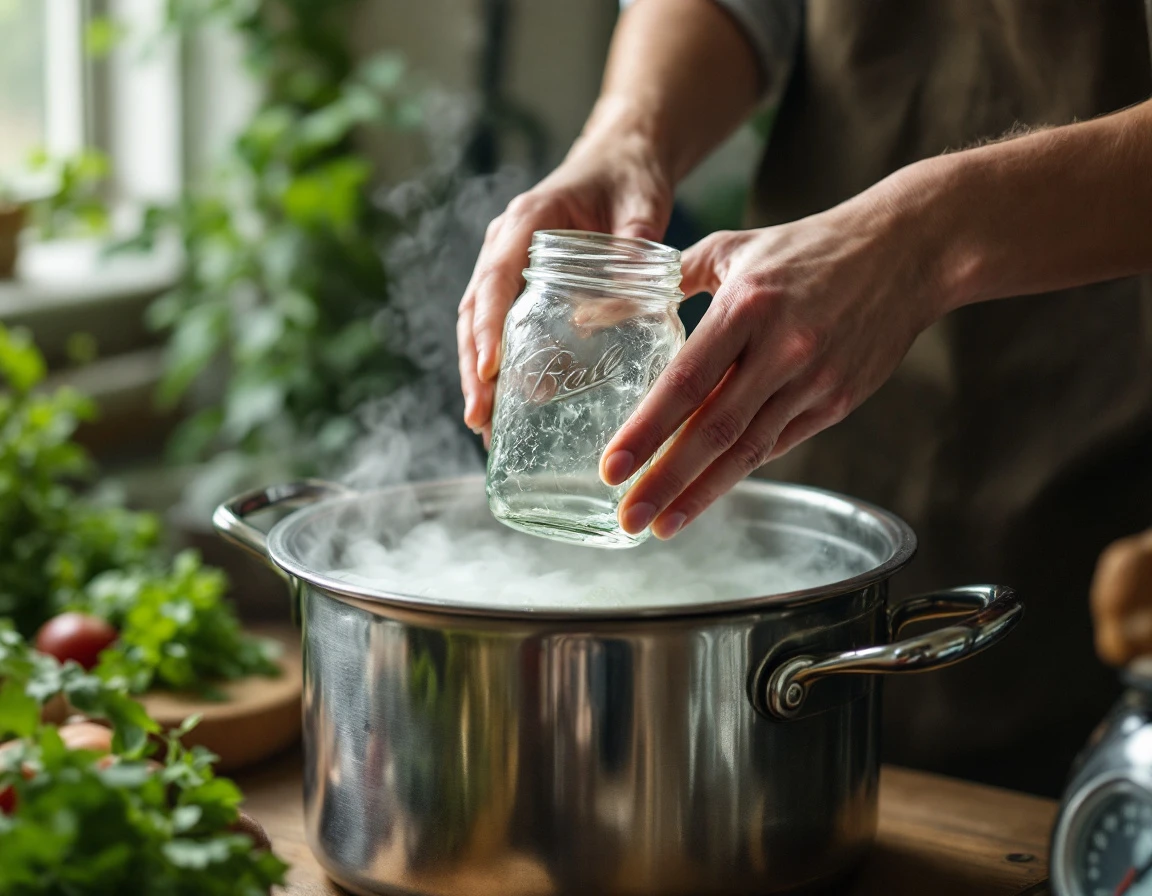
Low-acid foods (vegetables, meat, poultry, fish) need a pressure canner, not a water bath, because only pressure reaches the temperature that kills botulism spores. Use tested USDA or NCHFP recipes exactly, have your gauge tested yearly, and never use a multi-cooker — they can't reliably hold true pressure.
Pressure canning isn't hard, but it's unforgiving. Botulism spores survive boiling-water temperatures, which is why low-acid foods need a pressure canner. Nothing about a jar will tell you it went wrong.
Rule 1: Use tested recipes only
Use USDA-tested or National Center for Home Food Preservation (NCHFP) recipes, or ones from a current Ball guide. Grandma's recipe, a blog adaptation, or "I added extra onions" changes the density and acidity the processing time was tested for.
Rule 2: Know what needs pressure
Vegetables, beans, meats, poultry, fish, and soups are low-acid and must be pressure canned. A water bath is not enough, however long you run it.
Rule 3: Your gauge and altitude matter
Near sea level, most tested recipes call for 10 lb on a weighted-gauge canner or 11 lb on a dial-gauge canner, and higher elevations need more. Have a dial gauge tested for accuracy every year. Many county extension offices do this, and some do it free.
Rule 4: Use a canner, not a cooker
Most electric multi-cookers (Instant Pot-style) are not approved for pressure canning. They don't reliably reach and hold the required pressure.
First-batch mistakes
- Not venting the canner for the full time (typically 10 minutes) before adding the weight.
- Starting the timer before reaching pressure, or letting pressure drop mid-process. If pressure drops, bring it back up and restart the full time.
- Forcing the canner to cool. Let pressure fall to zero on its own, because rushing it causes siphoning and seal failures.
- Wrong headspace, which leads to failed seals or food pushed out.
Why the first batch is the one to do alongside someone
Every rule above is written down. What isn't written down is what correct venting looks like on your stove, what a steady weight rocking sounds like, and how to hold pressure on your burner. One batch next to someone who's done hundreds sets your habits for every batch after.
Checklist
Pressure Canning for the First Time: What the Recipe Doesn't Tell You
0 of 16 done
Before you start
Processing
After
Want someone who knows standing next to you?
Find an experienced canner near you →The Field Guide is written by AlongSide.Guide. AlongSide connects you with Guides who get paid to work alongside you, and some links on this page go to it.
Home Canning Safely, Water Bath to Pressure Canner
12 chapters, about 25 pages: every step, setting and caution, with diagrams, checklists to print and sources for every fact. The Field Guide above is the quick version; this is how to actually do it.
- 1The job, start to finishFREE
- 2Why the rules exist: botulismLOCKED
- 3Rules: tested recipes, altitude, equipmentLOCKED
- 4Kit listLOCKED
- 5Prep before your first batchLOCKED
- 6Water-bath canning, step by stepLOCKED
- 7Pressure canning, step by stepLOCKED
- 8Cooling, seals and storageLOCKED
- 9Cautions: spoiled jars and when to throw outLOCKED
- 10TroubleshootingLOCKED
- 11Printable checklistsLOCKED
- 12GlossaryLOCKED
- SourcesLOCKED
Instant access to every chapter and the PDF. Not what the Course page described? Email within 7 days for a full refund.
Questions people ask
Your three options
Guides who do this
No Guides for this yet. Know this job? Be the first, and your Offer shows up right here.
Know this job? Become a Guide.
Become a Guide →More in Pressure Canning
This guide was written by AI and hasn't been reviewed by a person yet. Know this subject? Sign up free as a Guide, add your credentials, and submit a review. Every review is checked by our team. If it's approved, your name and credentials go on this guide as its reviewer, linked to your Offers.
Sign up free as a Guide →